



If you want to avoid overdrinking at a party, dinner or night out, make as many decisions as possible before alcohol starts influencing them. Decide what you want from the evening, keep track of what you actually drink, be cautious with large pours and mixed drinks, make alcohol-free drinks part of the night, and have a simple response ready when someone offers you another drink. Food, social support and an exit plan can help too. There is no universal “safe number of drinks per hour,” and the goal is not to calculate the maximum you can consume. It is to make drinking more deliberate rather than automatic.
7 practical strategies at a glance
| Strategy | What it changes |
|---|---|
| Decide before the event | You make the plan before social pressure and alcohol affect the decision. |
| Track actual drinks | You reduce the chance of losing count or underestimating large pours. |
| Slow down naturally | You create more space between alcoholic drinks without relying on a rigid formula. |
| Eat before and during | Food can slow alcohol absorption, although it does not cancel alcohol already consumed. |
| Use alcohol-free alternatives | You can keep participating socially without every drink containing alcohol. |
| Prepare for social pressure | A short answer makes unwanted refills and offers easier to decline. |
| Plan your exit and transport | You avoid making important decisions at the end of the night. |
1. Decide what you want before the first drink
A useful time to think about drinking less is not after the fourth round arrives. It is before the event starts.
The National Institute on Alcohol Abuse and Alcoholism, or NIAAA, recommends setting goals as one strategy for cutting down. In a social setting, that can mean deciding in advance that you want to drink less than you usually would, include alcohol-free periods during the evening, or leave at a particular time.
The exact goal is personal. What matters is moving the decision earlier.
Once an evening is underway, decisions can become increasingly reactive:
- someone orders a round;
- a server refills your glass;
- another bottle appears on the table;
- the group moves to another bar;
- someone says, “Just one more.”
Without an intention already in place, the easiest choice is often simply to continue with the group.
Instead, ask yourself before going out: What would make tonight feel good tomorrow morning too?
That is usually a more useful starting point than trying to calculate the maximum amount of alcohol you can fit into the night.
2. Keep track of what is actually in your glass
“I had three drinks” can mean very different things.
In the United States, one standard drink contains approximately 14 grams of pure alcohol. Typical examples include:
- 12 fl oz of regular beer at about 5% alcohol;
- 5 fl oz of wine at about 12% alcohol;
- 1.5 fl oz of distilled spirits at about 40% alcohol.
But real drinks do not always match those examples.
A strong craft beer may contain significantly more alcohol than a conventional beer. A large wine glass may hold more than one standard serving. And a cocktail can contain multiple measures of spirits while still arriving as a single glass.
This is one reason NIAAA recommends both counting and measuring when trying to reduce alcohol consumption.
At a social event, you do not need to turn the evening into a spreadsheet. Simply noticing what you are drinking is already useful.

Watch out for the invisible refill
A particularly easy way to lose track is the continuously refilled wine glass.
If someone tops up a glass before it is empty, the number of “glasses” you remember later may have little relationship to the volume you actually consumed.
If keeping track matters to you, let a drink finish before accepting another one. At a dinner or catered event, you can also simply ask not to have your glass automatically refilled.
3. Slow the evening down — without relying on a drinks-per-hour formula
You will often hear simple rules such as “one drink per hour.” The problem is that alcohol absorption, distribution and metabolism vary between people and situations.
Body size, biological factors, how quickly alcohol is consumed, whether food is present, beverage strength and other variables all matter. A universal drinking rate should therefore not be treated as a guarantee that someone will remain below a particular alcohol level.
A better practical goal is simply to create more time in which you are not consuming alcohol.
That can happen naturally:
- do not immediately replace an empty alcoholic drink;
- switch to sparkling water, soda or another alcohol-free option for a while;
- focus on the meal or conversation rather than keeping a glass constantly active;
- skip a round without leaving the social interaction;
- avoid drinking quickly simply to keep pace with someone else.
The point is not to discover the perfect pacing algorithm. It is to interrupt the automatic pattern of finish → refill → finish → refill.
4. Eat — but do not treat food as an antidote
Eating before or while drinking can affect how alcohol is absorbed. Food in the stomach can slow absorption and reduce the speed at which alcohol concentration rises compared with drinking on an empty stomach.
That makes arriving at a long social event hungry and immediately beginning with alcohol a poor setup if your aim is to stay intentional.
But food does not erase alcohol already consumed, and eating a large meal later does not instantly sober someone up.
The practical takeaway is simple: if the event includes food, eat normally rather than deliberately skipping the meal while drinking.
This also connects to a broader point about timing: your alcohol-related level can continue changing after your last drink. Our article Why Can Alcohol Levels Rise After Your Last Drink? explains why absorption does not necessarily stop when drinking stops.
5. Make alcohol-free drinks part of the event, not a punishment
One of the easiest ways to drink less without disengaging socially is to continue having something in your hand that simply does not contain alcohol.
That might be:
- sparkling water with ice and citrus;
- tonic or soda;
- an alcohol-free beer;
- a non-alcoholic cocktail;
- coffee or tea later in the evening;
- whatever alcohol-free option you actually enjoy.
NIAAA encourages hosts to offer attractive non-alcoholic options because not everyone at a social event wants to drink alcohol — and people may have many different reasons for not doing so.
More importantly, choosing an alcohol-free drink does not require leaving the party or announcing that you are “done drinking.”
You can simply change what is in the glass and continue the conversation.
That is useful because reducing alcohol consumption becomes easier when the alternative still feels compatible with the event.
6. Prepare a short answer for “Want another?”
Social pressure does not always look like obvious peer pressure.
Sometimes it is just:
- “Another round?”
- “Let me top you up.”
- “We’re all doing shots.”
- “Come on, one more.”
NIAAA's Rethinking Drinking program recommends preparing a short, clear response rather than inventing a complicated explanation each time.
Something as simple as “No thanks, I’m good” is enough.
Other natural options include:
- “I’m switching to water for a bit.”
- “Not this round.”
- “I’m good with this one.”
- “No thanks.”
You do not need to justify the decision medically, morally or socially.
In fact, having the phrase ready can remove a surprising amount of friction. Instead of deciding whether to accept another drink each time, the default answer is already available.

7. Notice what makes you drink more than you intended
Sometimes the important question is not what you are drinking but why the next drink keeps appearing.
NIAAA describes triggers as situations, people, places, emotions or other cues that increase the urge to drink.
At social events, possible triggers can include:
- nervousness when meeting new people;
- trying to match the pace of a group;
- drinking games or repeated rounds;
- feeling awkward without something in your hand;
- using alcohol to manage social anxiety;
- staying much later than originally planned;
- being around specific people with whom heavy drinking has become routine.
Recognizing a pattern makes it easier to change the environment rather than relying entirely on willpower.
For example, if shots are where your plan usually disappears, skipping the shot round may matter more than carefully pacing the drinks that came before it.
If staying until 3 a.m. tends to turn two drinks into many more, leaving earlier may be the most effective change.
If you mainly drink because you feel uncomfortable socially, alcohol is solving a different problem. NIAAA-supported research has linked drinking to cope with social anxiety among young adults with greater alcohol use and more negative alcohol-related consequences.
That does not mean every nervous person at a party has a drinking problem. It means the reason behind the drinking can matter as much as the beverage itself.
8. Use another person as part of the plan
A friend can make an intention easier to keep.
You do not need someone monitoring you all evening. A simple conversation before the event can be enough:
“I want to take it easier tonight.”
NIAAA notes that social support can help people changing their drinking patterns, especially when friends understand what kind of support is actually useful.
That might mean:
- not automatically buying you the next round;
- not pressuring you to drink;
- joining you for an alcohol-free drink;
- leaving together at the time you planned;
- helping keep the transport plan intact.
The social environment can push consumption upward, but it can also work in the opposite direction.
9. Decide how you are getting home before you start drinking
Transport planning is separate from controlling how much you drink.
If alcohol is part of the evening, arrange the return journey without relying on a later calculation of whether you are fit to drive.
That might mean:
- a designated sober driver;
- public transport;
- a taxi or rideshare;
- staying overnight;
- being collected by someone;
- leaving your own vehicle at home.
This matters because “I will decide later” leaves an important decision for the point in the evening when judgment may already be affected.
Planning transport early also makes it psychologically easier to stop worrying about whether each additional drink changes your ability to drive. Driving has already been removed from the evening.
A personal alcohol detector should not be used to reverse that transport plan or provide permission to drive.
Where EthyloKey fits: awareness, not permission to keep drinking
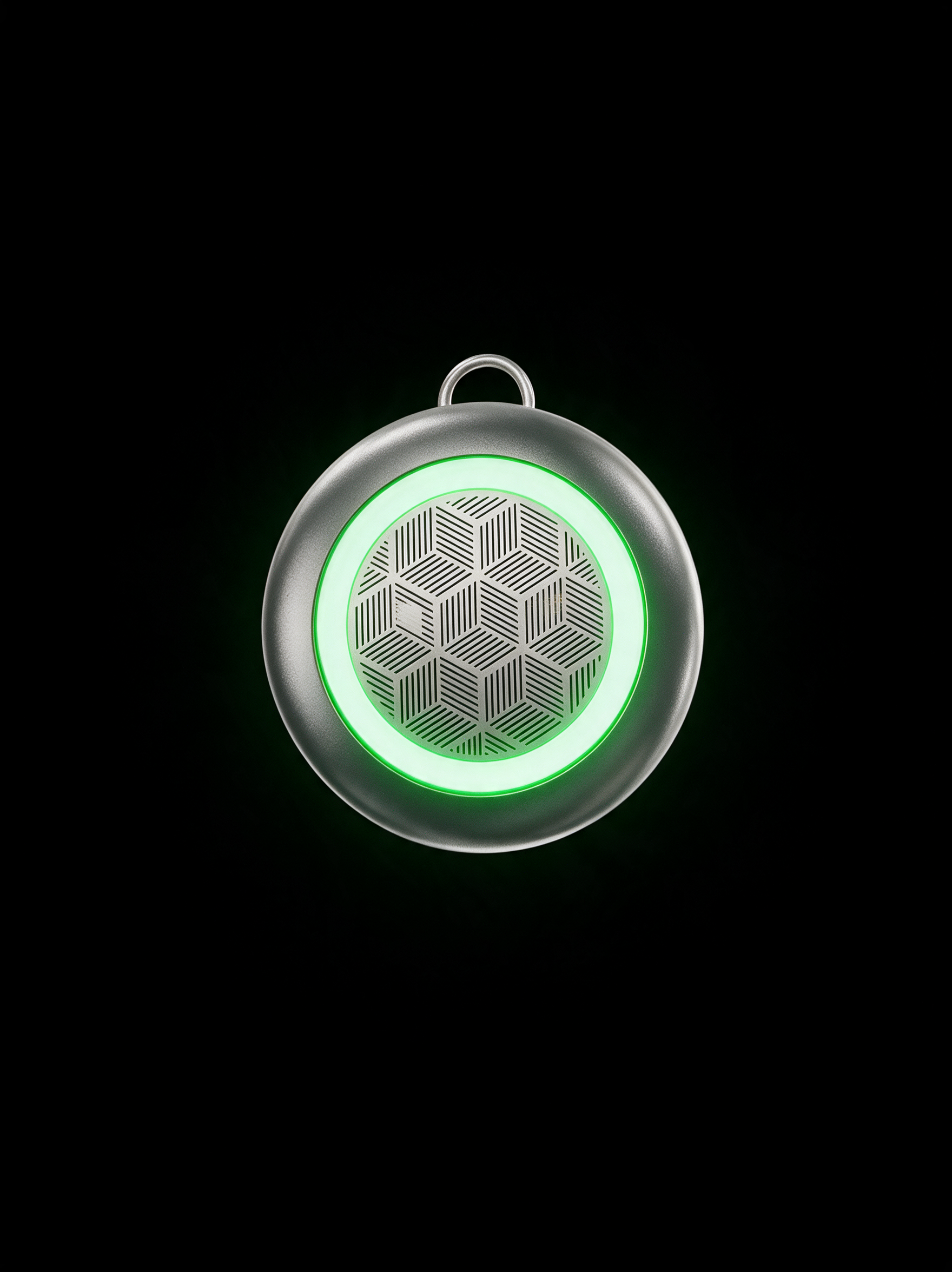
EthyloKey is a reusable touch-based alcohol detector designed as a personal wellness and prevention device.
Instead of blowing through a mouthpiece, a user touches the sensor. EthyloKey analyzes alcohol-related signals through skin contact together with temperature and humidity and provides an indicative green, orange or red range.

You can learn more about how touch-based alcohol detection works or read our comparison of touch-based detection and conventional breathalyzers.
The useful idea in a social context is awareness: a measurement can add an objective signal to an evening that can otherwise be driven by memory and subjective feeling.
But EthyloKey is not an exact BAC meter, legal alcohol test or device for determining fitness to drive. And a result should not become a reason to consume more alcohol.
A measurement is a snapshot. Alcohol-related signals can change over time as absorption and elimination continue.
More information about the intended use and limitations is available in the EthyloKey FAQ.
What does not work: trying to “hack” sobriety
Once somebody has consumed more alcohol than intended, the solution is not to search for a trick that rapidly removes it.
Coffee may make someone feel more awake, but it does not accelerate alcohol elimination enough to make it a sobriety shortcut. Cold showers, fresh air and similar tricks do not reverse alcohol intoxication either.
That distinction matters because feeling more alert is not the same thing as having less alcohol in the body.
If the night has gone beyond your original plan, stop trying to optimize the drinking. Switch the objective to looking after yourself, staying with people you trust and getting home without driving.
When “drinking a little less at parties” is not the right level of help
This article is about practical strategies for adults who want to be more intentional about alcohol in ordinary social situations.
It is not a treatment plan for alcohol dependence or alcohol use disorder.
If you repeatedly intend to drink less but cannot, experience strong cravings, find alcohol is causing problems in your life, or regularly drink much more than you planned, discussing your drinking with a qualified healthcare professional can be useful.
There is also an important safety distinction for people who have been drinking heavily for a prolonged period: suddenly stopping alcohol can cause potentially life-threatening withdrawal. In that situation, do not use an online “drink less” guide as a detox plan. Seek medical advice about reducing or stopping safely.
Know when it has become a medical emergency
Overdrinking can sometimes become an alcohol overdose.
Warning signs can include:
- confusion or stupor;
- difficulty staying conscious or inability to wake up;
- vomiting;
- seizures;
- slow or irregular breathing;
- clammy, very pale or bluish skin;
- extremely low body temperature.
If you suspect alcohol overdose, call emergency services immediately. Do not assume that someone who has passed out can simply “sleep it off.”
The bottom line
Avoiding overdrinking at a social event is less about finding the perfect rule and more about reducing the number of decisions you have to make after drinking has already started.
Go in with an intention. Know what is actually in your glass. Let drinks finish before replacing them. Eat normally. Make alcohol-free options part of the night. Prepare a simple “no thanks.” Notice the situations that make you drink automatically. Use friends as support rather than pressure. And decide how you are getting home before the evening begins.
None of those strategies requires you to stop enjoying the event.
They simply make alcohol one part of the evening rather than the system controlling its pace.
And if you are interested in adding another layer of personal alcohol awareness, explore EthyloKey.
Sources
- National Institute on Alcohol Abuse and Alcoholism (NIAAA) — Rethinking Drinking: Strategies for Cutting Down. Used for planning, tracking, counting drinks, goals, triggers and drink-refusal strategies.
- NIAAA — What Is a Standard Drink? Used for the U.S. standard-drink definition and examples.
- NIAAA — Holiday Drinking and Your Health. Used for social-event context and alcohol-free beverage guidance.
- NIAAA — Social Support from Friends and Family. Used for the role of social support when changing drinking habits.
- NIAAA — Alcohol and Other Substance Use to Cope With Social Anxiety. Used for the discussion of social-anxiety-related drinking.
- NIAAA — Understanding the Dangers of Alcohol Overdose. Used for overdose warning signs and emergency guidance.
- NIAAA — Alcohol Use Disorder: From Risk to Diagnosis to Recovery. Used for the alcohol-withdrawal safety caveat.
Share:
What to Do If You’ve Been Drinking and Need to Get Home