


If you’ve been drinking and need to get home, the simplest answer is: do not make the journey depend on you driving. Choose a sober driver, book a rideshare or taxi, take public transport, stay overnight, or call someone you trust. If your own car is there, leave it there and collect it later. The goal is not to calculate whether you have waited long enough, feel sober enough or received a reassuring result from a personal device. It is to remove driving from the decision altogether. That approach is consistent with current guidance from both the CDC on preventing impaired driving and the National Highway Traffic Safety Administration.
The short version: choose the first realistic option that does not involve you driving
- Use the designated sober driver if your group planned one.
- Book a rideshare or taxi if one is available.
- Take public transport if the route is operating and practical.
- Stay where you are if there is a safe place to sleep.
- Call a friend, family member or other trusted person and ask for a ride.
- Leave the car, motorcycle, bike or scooter behind. Getting it back tomorrow is an inconvenience; driving or riding impaired creates a much bigger risk.
And if someone is extremely intoxicated, difficult to wake, vomiting repeatedly, having a seizure or having trouble breathing, getting them home is no longer the priority. That may be a medical emergency.
1. If you have a genuinely sober designated driver, use them
A designated driver works best when the decision is made before the drinking starts. The CDC recommends agreeing in advance on a trusted member of the group who will not drink alcohol or use other impairing drugs.
If that plan already exists, use it. Do not renegotiate at the end of the night because someone else “only had a couple,” seems more alert or believes they are probably fine.
The important word is sober. A designated driver is not simply the person who drank the least.
2. Book a rideshare or taxi
If nobody in the group stayed sober, a rideshare or taxi is often the simplest option. Current NHTSA guidance on getting home safely also recommends a few basic precautions that are especially useful late at night.
- Check that the vehicle and license plate match the ride shown in the app.
- Confirm the driver matches the name and photo you were given.
- Wait indoors until the vehicle arrives when possible.
- If you must wait outside, choose a well-lit area away from moving traffic.
- Do not step into the road to flag down an unverified vehicle.
- Wear your seat belt, including in the back seat.

If you are with friends, staying together until everyone’s ride has arrived can also make the end of the evening easier to manage. The objective is not simply to order a vehicle; it is to make sure everyone actually gets into the correct one.
3. Use public transport when it is practical
A night bus, metro, subway or train can be another option, particularly in cities with late-night service.
However, alcohol can affect judgment, coordination and awareness, so treat the journey differently from an ordinary commute. NHTSA advises people using public transport after drinking to remain aware of their surroundings, stay away from platform edges and avoid falling asleep during the trip.
If you are heavily intoxicated, confused or struggling to walk normally, travelling alone across several connections may not be the best option. A taxi, rideshare, trusted sober person or staying where you are may make more sense.
4. Staying overnight can be the easiest decision
Sometimes the best trip home tonight is no trip at all.
If you are at a friend’s home, hotel, event venue or another place where you can safely stay, sleeping there can remove the transport problem entirely. Your car can remain parked until later.
There is no reason to turn retrieving a vehicle into an emergency. Keys can be collected tomorrow. Parking can be extended. Plans can be rearranged.
And importantly, sleeping for a while should not be treated as a formula for deciding when you can drive later. Alcohol does not disappear at a predictable rate that can be safely generalized to everyone.
Alcohol may also continue to be absorbed after your last drink. We explain why in Why Can Alcohol Levels Rise After Your Last Drink?
5. Call someone — even if it feels inconvenient
If the other options fail, call someone you trust.
That might be a partner, parent, sibling, roommate, colleague or friend. The call may feel awkward at 1 a.m., but it gives you another option that does not involve driving.
This is also a useful rule for families and groups of friends: create a standing agreement that asking for a ride home after drinking is allowed without turning the pickup itself into an argument.
The discussion about what happened can happen later. First, solve the transport problem.
6. Leave the car — and leave the bike or scooter too
Leaving a car behind can feel surprisingly difficult because it creates a problem for tomorrow: parking, collecting the vehicle, changing plans or paying another fare.
But those are logistics problems, not reasons to drive after drinking.
The same logic applies to motorcycles, bicycles and electric scooters. NHTSA specifically advises against riding a bicycle or scooter while impaired because alcohol can affect balance, reaction time and judgment.
Walking is not automatically the ideal fallback either. Current NHTSA guidance warns that walking home while intoxicated can also create risk, particularly around traffic and at night. If you have a better transport option, use it. If you are walking, stay with others where possible, use sidewalks and crossings, remain visible and stay away from traffic.
What if you “feel fine”?
Feeling fine is not a reliable transport plan.
Alcohol can affect decision-making, coordination and reaction before someone necessarily feels dramatically intoxicated. Your subjective feeling can also change as an evening progresses.
Another complication is that finishing your final drink does not mean alcohol absorption has finished. Alcohol remaining in the stomach and intestine can continue entering the bloodstream after drinking stops.
That is why neither “I feel okay now” nor “it has been a little while” should become the basis for deciding to drive.
What if a personal alcohol detector gives you a reassuring result?
A personal alcohol-awareness device can provide information, but it should not turn into permission to drive.
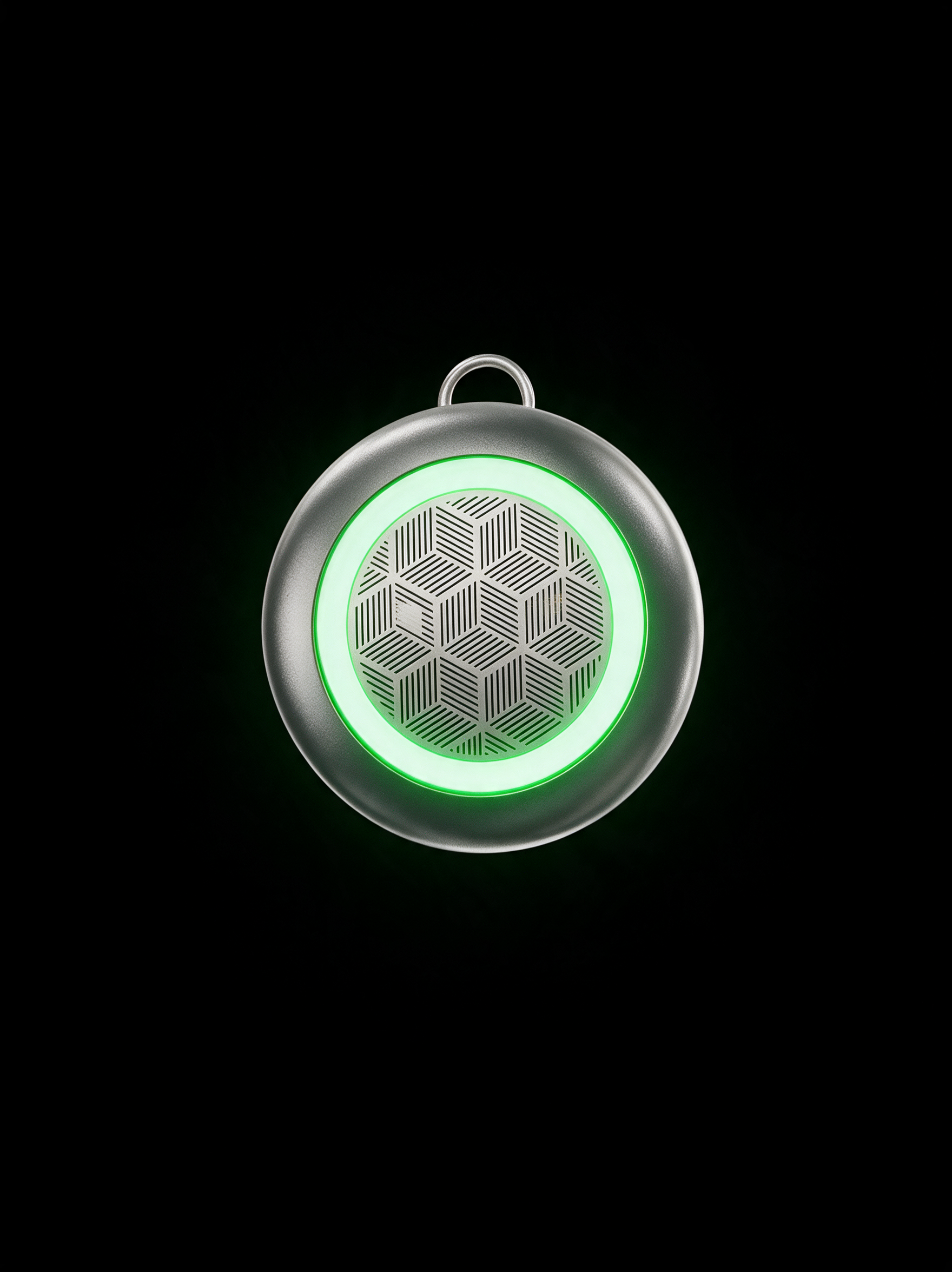
EthyloKey, for example, is a reusable touch-based alcohol detector. Instead of requiring someone to blow into a mouthpiece, it detects ethanol released through the skin together with temperature and humidity and provides an indicative green, orange or red range.
You can learn more about how EthyloKey’s touch-based alcohol detection works or compare the approach with conventional breath testing in EthyloKey vs Breathalyzer: Touch vs Breath Testing.

EthyloKey does not determine fitness to drive. It does not provide legal clearance, and it does not display an exact BAC value. A measurement is also a snapshot: alcohol-related signals can continue changing over time.
So if you have been drinking and are deciding how to get home, the safer framework is straightforward: choose transport that does not require you to prove that you are okay to drive.
More details about EthyloKey’s intended use and limitations are available in the EthyloKey FAQ.
What if your friend insists on driving?
Do not ride with someone you believe is impaired. The CDC explicitly recommends not riding with an impaired driver and not allowing friends to drive while impaired.
Offer a concrete alternative rather than simply arguing:
- “I’ll order us a ride.”
- “Leave the car here — we’ll come back tomorrow.”
- “I’ll call someone to pick us up.”
- “Let’s stay here tonight.”
Making the alternative immediate and easy can be more effective than having a long debate at the curb.
When “getting home” should stop being the priority
There is an important exception to everything above: someone who may be experiencing an alcohol overdose needs medical attention, not simply transportation home.
The National Institute on Alcohol Abuse and Alcoholism lists warning signs that include:
- difficulty remaining conscious or inability to wake up;
- mental confusion or stupor;
- vomiting;
- seizures;
- slow or irregular breathing;
- clammy, very pale or bluish skin;
- extremely low body temperature.
If you suspect alcohol overdose, call 911 in the United States or your local emergency number immediately. Do not wait for every symptom to appear.
NIAAA also warns against assuming that an unconscious person can simply “sleep it off.” Alcohol can continue entering the bloodstream after drinking has stopped, and an unconscious person can choke on vomit or develop life-threatening breathing problems.
Why planning the ride before drinking works better
All of these choices are easier at the beginning of the evening than at the end.
Before going out, you can:
- choose the sober driver;
- check the last train or bus;
- confirm that rideshares operate in the area;
- budget for a taxi;
- ask whether staying overnight is possible;
- decide that the car will remain at home.
That removes a complicated decision from the point in the evening when judgment may already be affected.
The scale of the problem remains significant. In August 2026, NHTSA reported that 11,904 people were killed in U.S. alcohol-impaired-driving crashes in 2024, representing 30% of all U.S. traffic fatalities.
The useful lesson from that statistic is not to become better at estimating whether you can drive after drinking. It is to make driving unnecessary.
The bottom line
If you’ve been drinking and need to get home, you do not need a complicated formula.
Do not drive. Choose the sober driver, book a taxi or rideshare, use public transport, stay overnight or call someone you trust. Leave your vehicle behind if necessary.
If somebody is showing signs of possible alcohol overdose, call emergency services rather than simply trying to get them home.
Personal alcohol-awareness tools can add information during an evening, but they should not be used to grant driving clearance. The simplest plan is the most robust one: after drinking, make the journey home a journey that someone sober handles.
If you want to understand how touch-based alcohol awareness works, explore EthyloKey.
Share:
How Does Fingertip Alcohol Detection Work?
How to Avoid Overdrinking at Social Events: Practical Strategies That Help